Commercial roofing has to do more than keep rain out. A roof protects inventory, equipment, employees, tenants, and the building itself while being exposed to wind, snow, heat, UV radiation, and changing temperatures year after year. For many commercial properties, metal roofing provides the durability and long service life needed to handle those demands.
Metal roofs are used on warehouses, offices, retail buildings, industrial facilities, agricultural properties, and many other commercial structures. However, not every metal roof is the same. Understanding the different systems and how they perform can help building owners make better decisions about installation, repair, and replacement.
What Is a Commercial Metal Roof?
A commercial metal roof is a roofing system made from metal panels or sheets that are secured to the roof structure using concealed or exposed fastening systems. Depending on the building and roof design, materials may include steel, aluminum, or other metal products with protective coatings designed to improve resistance to corrosion and weather exposure.
Unlike many low-slope membrane systems, metal roofing is especially common on commercial buildings with sloped roof designs. Properly installed systems are designed to move water efficiently while allowing for the natural expansion and contraction that occurs as metal heats and cools.
Common Types of Commercial Metal Roofing
Standing Seam Metal Roofing
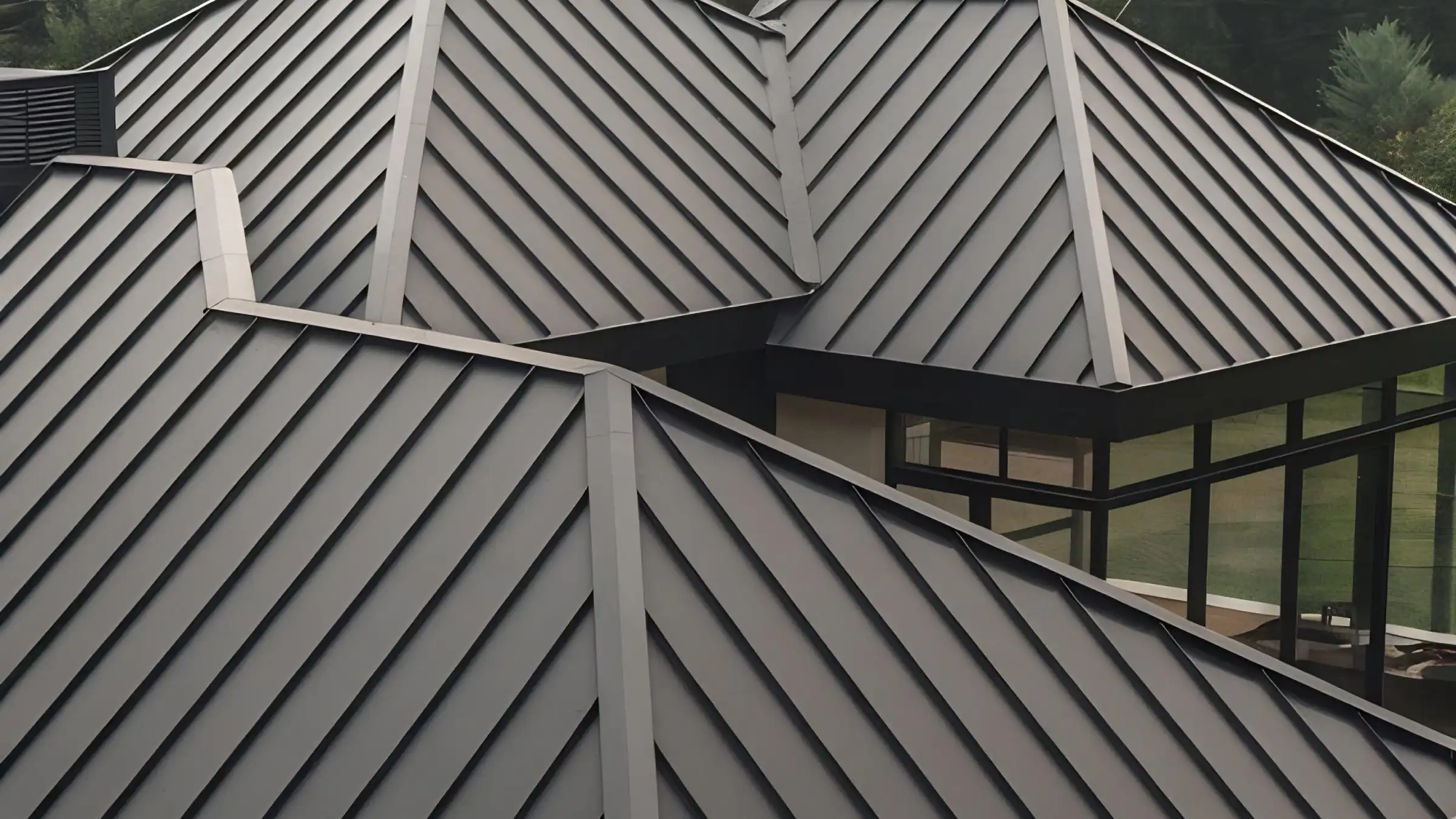
Standing seam is one of the most recognizable commercial metal roofing systems. The panels connect at raised vertical seams, while the fasteners are generally concealed beneath the roofing surface. This helps protect the attachment points from direct exposure to weather.
Standing seam systems are valued for their clean appearance, durability, and ability to accommodate thermal movement. They can be an excellent option for commercial properties where long-term performance is a priority.
Exposed-Fastener Metal Roofing
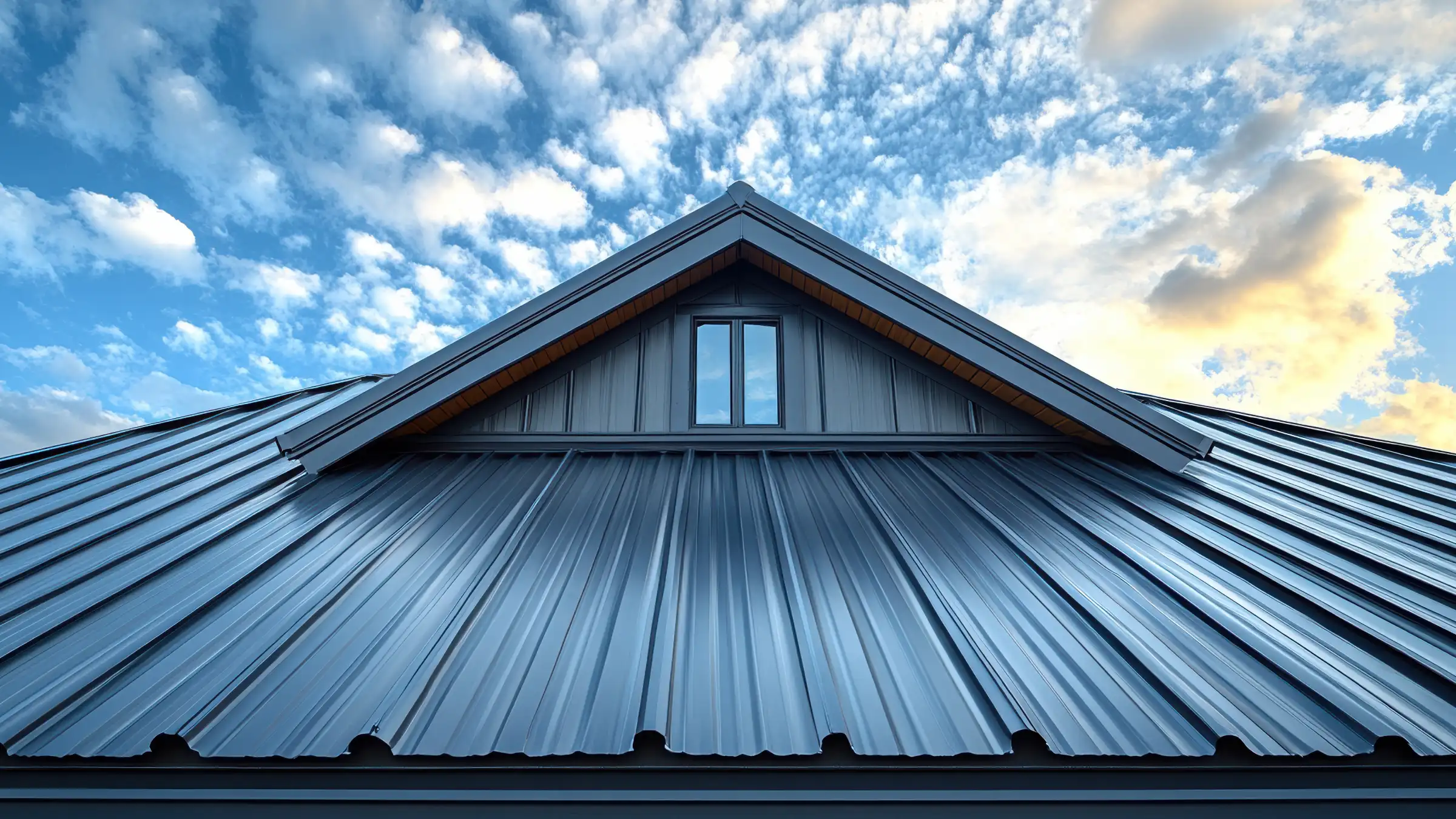
Exposed-fastener systems secure metal panels directly through the surface using screws and washers. They are generally simpler and less expensive to install than standing seam systems, which makes them common on warehouses, agricultural buildings, storage facilities, and similar structures.
Because the fasteners are exposed to the elements, they should be inspected periodically. Washers can deteriorate, screws can loosen, and movement in the panels can eventually create potential leak points.
Why Businesses Choose Metal Roofing
One of the biggest advantages of commercial metal roofing is longevity. A properly designed and maintained metal roof can provide decades of service, making it attractive to property owners who want to reduce the frequency of full roof replacements.
Metal roofing also performs well against many common weather exposures. Quality systems can offer strong wind resistance, shed rain and snow efficiently, and tolerate temperature changes when the panels and attachment system are properly designed.
Other potential benefits include:
- Long expected service life
- Strong resistance to wind and severe weather
- Relatively low routine maintenance requirements
- Good performance in snow and rain
- Reflective finishes that can help reduce solar heat absorption
- A professional, clean appearance
- Recyclability of many metal roofing materials
Does Commercial Metal Roofing Require Maintenance?
Metal roofing is durable, but it is not maintenance-free. Regular inspections can identify small problems before they develop into leaks or more expensive repairs.
Commercial roof inspections should pay particular attention to seams, fasteners, flashing, penetrations, sealants, drainage areas, and locations where different roofing materials meet. Debris should also be removed when it interferes with drainage or traps moisture against the roofing surface.
Exposed-fastener roofs may require additional attention as they age because screws and washers are directly exposed to weather. Standing seam systems eliminate many exposed attachment points, but seams, clips, flashing, and penetrations still need periodic evaluation.
Common Commercial Metal Roof Problems
Many metal roof problems occur around details rather than in the middle of an undamaged panel. Roof penetrations, flashing transitions, seams, fasteners, and previous repair areas are common places for leaks to develop.
Building owners should watch for signs such as:
- Water stains or active interior leaks
- Loose or missing fasteners
- Separated seams or panel movement
- Damaged flashing around penetrations
- Rust or corrosion
- Deteriorated sealants
- Dents or damage following severe weather
Finding a leak does not automatically mean the entire metal roof needs replacement. Many localized problems can be repaired when they are identified early and the overall roofing system remains in good condition.
Commercial Metal Roof Repair vs. Replacement
The decision to repair or replace a commercial metal roof depends on the age of the system, the extent of the damage, the number of previous repairs, and the condition of the panels and underlying roof structure.
Localized leaks caused by flashing, fasteners, sealants, or isolated panel damage may be repairable. Replacement becomes more practical when problems are widespread, corrosion is extensive, the roof has recurring leaks in multiple areas, or the system is approaching the end of its useful service life.
A professional commercial roof inspection can help determine whether targeted repairs are likely to provide a reliable solution or whether continued repair costs are simply delaying an inevitable replacement.
How Long Does a Commercial Metal Roof Last?
There is no single lifespan for every commercial metal roof. Material quality, installation, roof design, weather exposure, maintenance, drainage, and the type of metal system all influence how long the roof performs.
In general, longevity is one of the main reasons property owners choose metal. Regular inspections and timely repairs can help preserve that advantage by preventing small vulnerabilities from causing moisture damage to other parts of the roofing system.
Is Metal Roofing Right for Your Commercial Building?
Metal roofing can be an excellent investment for commercial properties that need durability, weather resistance, and a long service life. However, the right roofing system should be selected based on the building rather than simply choosing a material because it is known to last.
Roof slope, structural conditions, drainage, existing roofing materials, penetrations, insulation, budget, and the building's long-term use should all be considered. A commercial roofing contractor can evaluate these factors and recommend whether metal roofing makes sense for the property.
Need Help With a Commercial Metal Roof?
NXT LVL Roofing & Exteriors provides commercial roofing inspections, repairs, and roofing solutions throughout Meridian, Boise, and the Treasure Valley. If you have an aging metal roof, an active leak, storm damage, or are considering a new roofing system, our team can evaluate the property and explain your options.